



Most people lose money at online casinos for the same reason they lose money at the blackjack table in Vegas: they play the game the way the marketing department wants them to, not the way the math demands. That gap — between perception and actual EV — is the entire iGaming industry. Once you see it clearly, you stop being the product and start being the player.
Here is what forty hours of losing before winning teaches you about slots, poker, betting, and where the real edges hide.
The House Edge Is Not a Suggestion
Every casino game carries a built-in tax. It is not negotiable, it does not have a discount code, and no amount of "loyalty tier" status removes it. The only question is how big the tax is and how fast it collects.
- Blackjack (basic strategy): roughly 0.5% house edge, assuming you play every hand correctly.
- Baccarat (banker bet): about 1.06% — the smartest bet on a casino floor that is not poker.
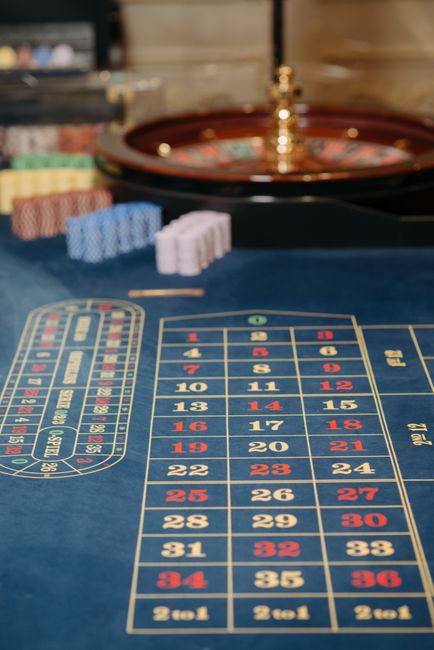
- European roulette: 2.7%. American roulette, with the double zero, jumps to 5.26%.
- Slots: typically 2% to 10%, which is why the free drinks arrive fastest near the penny machines.
- Sportsbook parlays: often 15% to 25% implied edge against you once you stack legs.
Notice the pattern. The more decisions you make, the smaller the edge — because your skill can push back. The fewer decisions, the larger the edge, because you cannot. Slots have zero decisions. Parlays have one decision that multiplied ten bad ones together. Poker has infinite decisions, and that is exactly why it remains the only game most serious players actually grind.
Slots: Volatility Beats RTP in Real Life
Everyone quotes RTP — return to player — like it is the whole story. A 96% RTP slot sounds better than a 94% one. Correct, on paper. But RTP is a long-run number calculated over millions of spins, and you will never play millions of spins. What you actually experience is variance, and variance is governed by hit frequency and volatility, not by the headline RTP.
Two slots with identical 96% RTP can feel completely different. One pays small amounts constantly, dripping like a leaky faucet. The other pays nothing for 400 spins and then dumps 800x your bet. Same RTP. Totally different night.
A practical three-step slot sanity check
- Check the max win and volatility rating. If it says "extreme" and you have a $100 bankroll, either skip it or set a hard stop-loss of $30 before you spin.
- Calculate your spins-per-session. Bankroll divided by bet size. If $100 at $1 a spin gives you 100 spins, that is barely one bonus cycle on most modern slots. Size down or walk away.
- Ignore progressive jackpots as a strategy. The EV on a mega jackpot is essentially a lottery ticket with worse logistics. Play them if you enjoy them, not because the math suddenly works.
One more concrete number: a 96% RTP slot means the casino keeps $4 of every $100 you cycle through, on average. Cycle $500 in a session at moderate volatility and your expected loss is $20 — but your actual result might swing from minus $300 to plus $1,200. The average is a rumor until you multiply it by infinity.
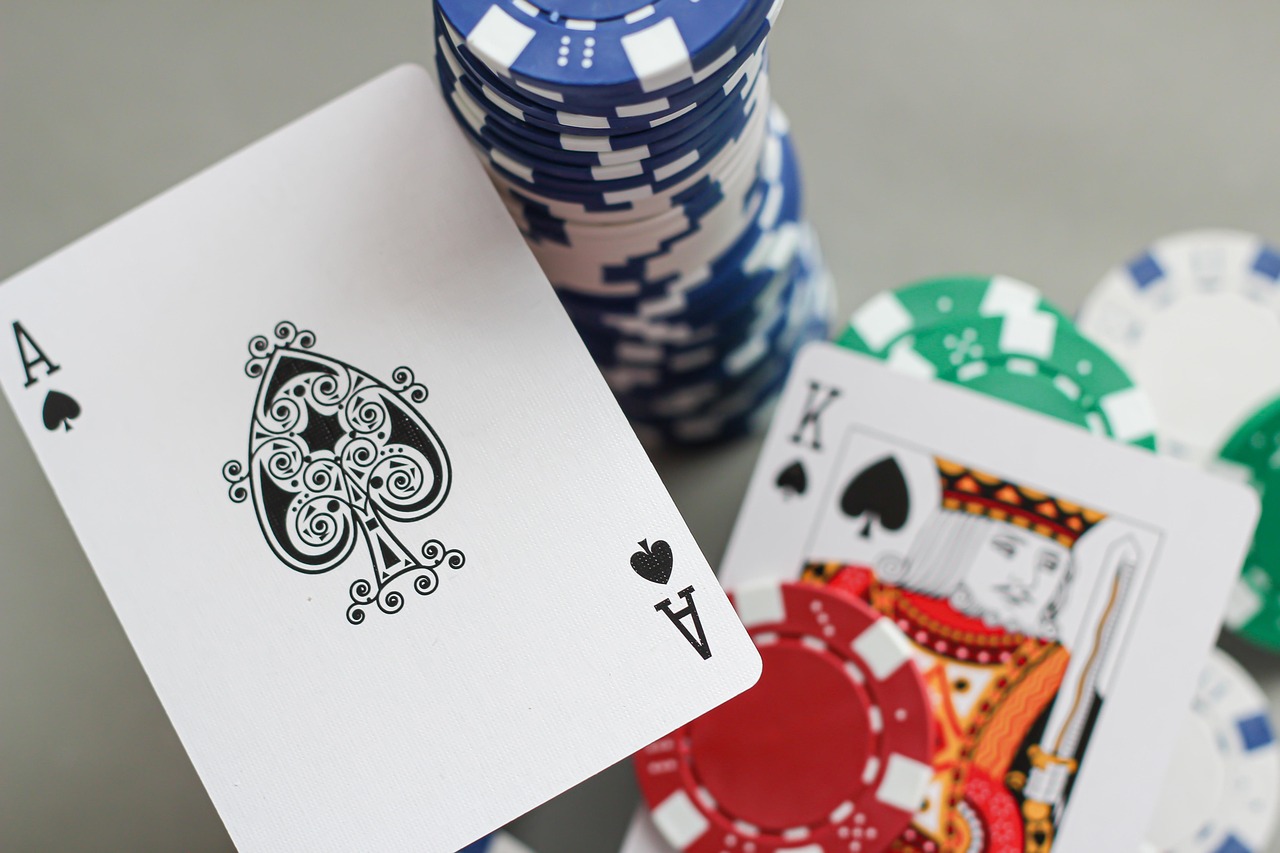
Poker Is the Only Game Where You Are Not the Mark
Here is the thing that separates poker from every other form of gambling: you are not playing the house. You are playing the other players, and the house takes a rake — usually 5% capped at a few dollars, or a fixed tournament fee. That means if you are better than the people at your table, you have a real, mathematical edge.
But most players never develop it. They learn the rules, watch a few YouTube hands, and sit down with 100 big blinds thinking they are Daniel Negreanu. Then they call too much, bluff too little, and blame the river card.
- Tight-aggressive wins. Play fewer hands than your opponents. Bet them hard when you have it. Fold the rest.
- Position is leverage. The button and cutoff print money in the long run because you act last on every street.
- Bankroll management is non-negotiable. Standard rule: at least 20 buy-ins for cash games, 50 to 100 for tournaments.
- The rake kills low-stakes poker if you are only marginally better than the field. A 5% rake at a $1/$2 table can turn a winning player into a break-even one.
If you cannot honestly say you are in the top three players at your usual table, poker is not an edge — it is a slow leak with extra steps. For practical tips, check out L'Avenue Dubai.
Betting: Where the Average Punter Actually Bleeds
Sports betting feels like knowledge. It is mostly juice. The bookmaker does not need to beat you; the vig does it for them. Standard -110 odds on both sides of a spread means you need to win 52.4% of your bets just to break even. A recreational bettor hitting 50% is losing slowly, elegantly, and permanently.
There are only three realistic ways to be a winning bettor:
- Line shopping across multiple books. Getting -105 instead of -110 on 500 bets a year is the difference between losing and winning. This is boring and it is the whole game.
- Finding soft markets. Prop bets, lower-league football, obscure MMA cards. The bigger the market, the sharper the price.
- Closing line value. If the line moves against the number you took, you got a bad price regardless of whether you won the bet. Track it. It is the single best predictor of long-term profit.
- Set a session loss limit before you log in. Write it down. Honor it.
- Set a session win limit too. Greed ends more winning sessions than bad luck does.
- Use deposit limits and cool-off tools every regulated casino is now forced to offer. Use them even when you do not need them.
What does not work: parlay culture, "lock of the day" Twitter accounts, and betting on your favorite team because you have feelings about them. Feelings are expensive.
Bankroll Rules Nobody Follows Until They Have To
The single most useful piece of iGaming advice is also the least glamorous: separate gambling money from everything else. Deposit once, treat it as a sunk entertainment cost, and never top up mid-session because you are chasing.
The players who stick around for years are not the ones who hit 5,000x on a slot once. They are the ones who never let a tilt session erase three months of profit. Discipline is boring. That is precisely why it works.
What This Industry Really Rewards
Strip away the neon and the jackpot tickers and the free spins promotions, and iGaming is a study in expectation versus reality. Slots sell hope, poker sells skill, sportsbooks sell certainty. Only poker and a tightly disciplined betting approach actually deliver on the promise. The rest is entertainment dressed up as opportunity — and there is nothing wrong with entertainment, as long as you pay for it with money you were already fine losing.
Play the games you understand. Track your results honestly. Respect the math, because the math never takes a night off. Do that and you will still be here in five years, which is more than can be said for most of the players sitting next to you.