


Your cat hears you call her name. Her ears rotate, her tail flicks once, and she goes right back to staring at the wall. Nothing about that moment says devoted companion. And yet most cats are far more attached to their people than they let on. They simply show it on a schedule you didn't get to set. Feline independence isn't a personality flaw, and it isn't a sign you did something wrong. It's a survival strategy that has worked for thousands of years, and once you understand how it operates, the bond gets easier to build.
A Solitary Hunter With a Social Side
Cats evolved to hunt alone. A single cat stalking a mouse doesn't need a partner, and a cat that gets hurt has no pack to fall back on. That history explains the wariness: watch first, approach slowly, keep an exit route in mind.
But cats aren't loners by nature either. Free-roaming cats often settle into loose groups, sharing a food source, grooming each other, and raising kittens together. The trait that looks like aloofness is really flexibility. Your cat decides, moment by moment, whether company is appealing or overwhelming. When she walks away mid-cuddle, she isn't rejecting you. She's done for now.
Why Your Cat Seems to Ignore You
Before you take it personally, run through the usual suspects.
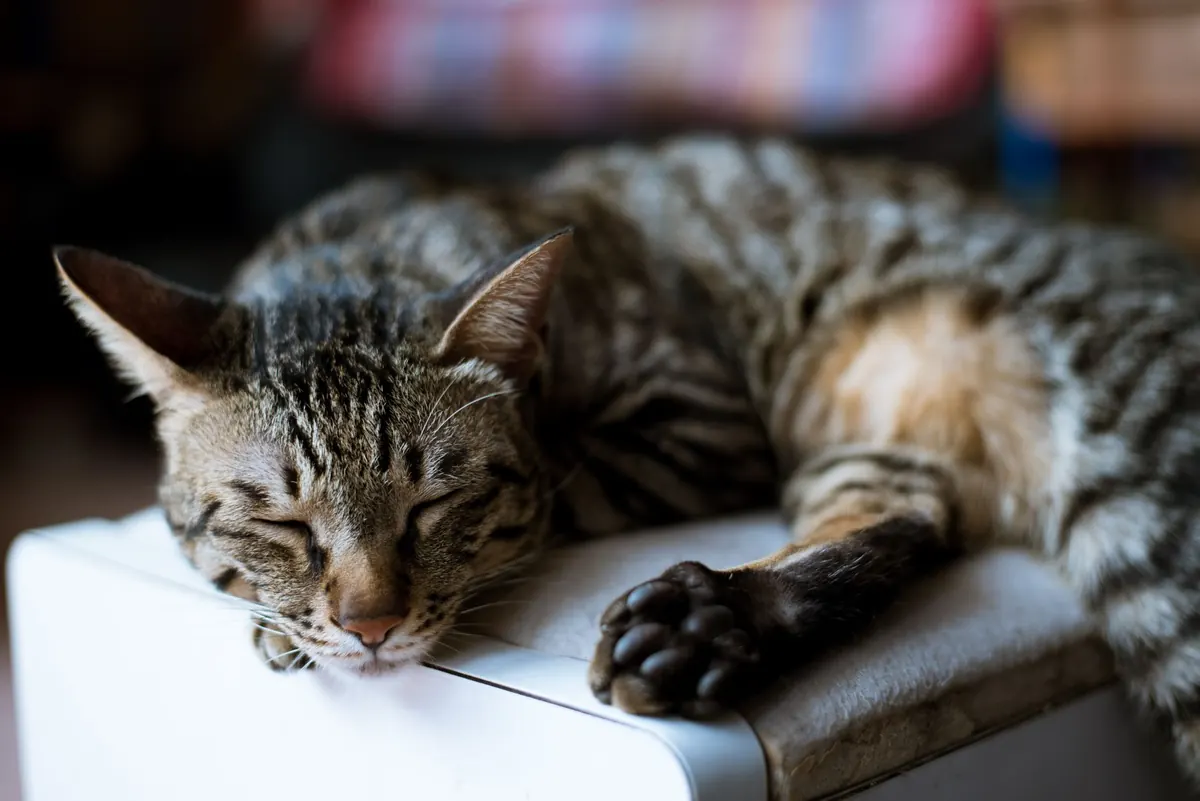
- Sleep. Cats sleep in short bursts through much of the day. A cat roused from deep sleep may blink and roll over. Normal, not cold.
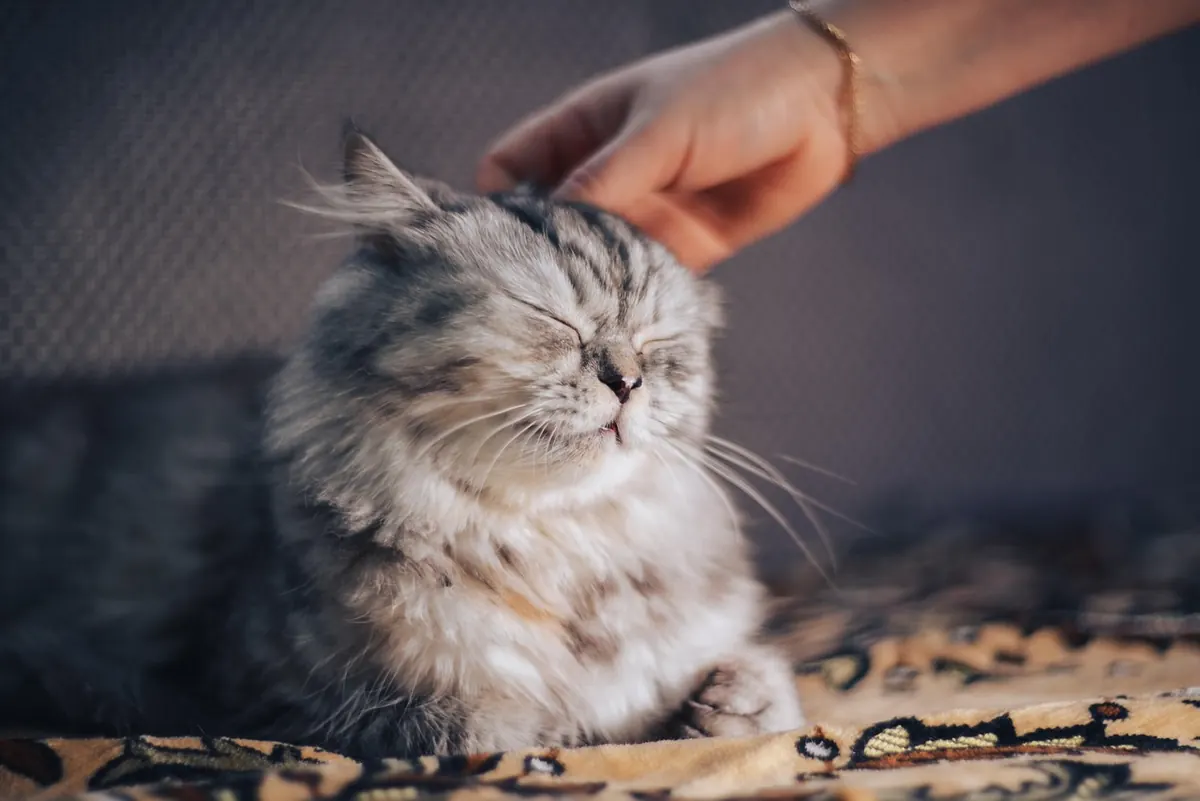
- Overstimulation. Many cats accept affection for a limited stretch. Petting past that limit turns a pleasant experience into an irritating one.
- Your approach. Direct eye contact, a loud voice, and a hand coming from above read as a threat in cat language.
- Bad associations. If hands mostly mean nail trims, carriers, or medicine, your cat learns to keep her distance.
- Environment. A new baby, a moved sofa, a neighborhood cat at the window, or a loud appliance can push a cat into watchful mode for days.
- Hearing or health. Older cats lose hearing. A cat who stops responding entirely deserves a vet visit.
What Cats Consider Affection
People show love with eye contact, hugs, and words. Cats show it with proximity, rhythm, and scent. A slow blink is the closest thing to "I trust you" — you can answer it by blinking back slowly and turning your head slightly. Head bunting, where she rubs her cheek against your leg, is scent-marking the things she considers hers. A tail held up with a small curl is a friendly hello.
Then there's the quiet stuff. Following you from room to room. Chirping when you come home. Kneading a blanket on your lap. Sitting on the arm of your chair while you read, close but not touching. A cat who chooses the far end of the sofa has still chosen to be in the same room as you. That counts.
Seven Ways to Build Trust Without Forcing It
- Let her come to you. Extend a finger at nose height and wait. If she leans in, she's inviting contact. If she stays put, drop your hand and try later.
- Stop before she asks you to stop. Two or three strokes, then pause. If she nudges your hand, continue. If her tail starts moving, you've hit the limit.
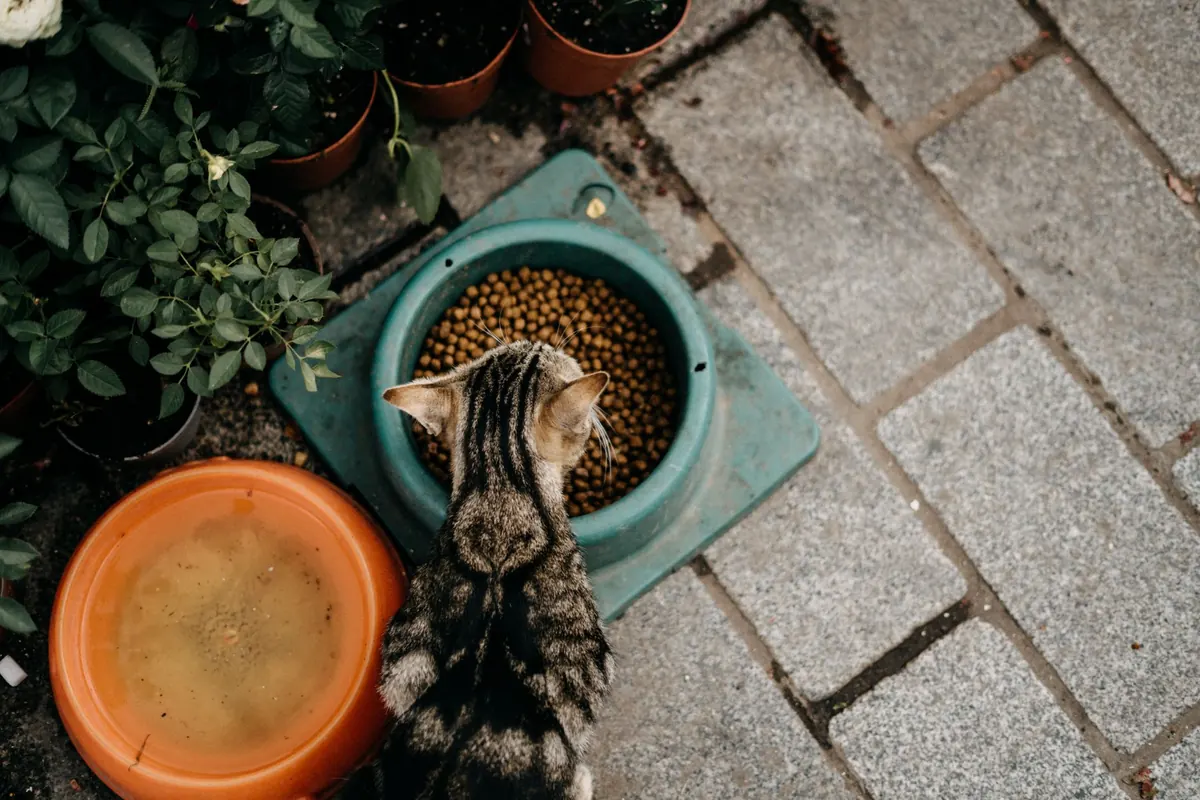
- Put food, play, and petting on a schedule. Cats are pattern animals. Predictable means safe.
- Play hard once or twice a day. Use a wand toy and let her stalk, chase, and catch, then serve a meal. That hunt-catch-eat-groom-sleep sequence taps into deep wiring.
- Talk low and slow. Save her name for good things: meals, play, treats. Never for scolding.
- Give her a spot near you. A perch at your desk or a folded blanket on the couch corner lets her choose company without the pressure of a lap.
- Respect the no. Every time you let a cat leave without following her, you teach her that being close is safe.
Signals Worth Learning
Green lights
Slow blinking, a tail held high, chirps and trills, rubbing against your legs, kneading, flopping down beside you. Note that a cat showing her belly is usually saying "I trust you," not "rub my stomach." Test with one gentle stroke under the chin instead.
Yellow lights
A flicking tail, ears rotating sideways, a rippling back, a tail wrapped tight around the body, sudden stillness, pupils wide in ordinary light. These mean ease up.
Red lights
Hissing, growling, flattened ears, a swat. Back off and give space. A swat that lands is a lesson for both of you.
When Distance Is About Health
A reserved cat is one thing. A changed cat is another. Sudden hiding, less grooming, appetite changes, litter box changes, irritability when touched, or abandoning a favorite sleeping spot can all point to pain or illness. Cats are built to hide discomfort, and withdrawal is often the first clue. Book a vet visit rather than waiting for it to pass, and trust your veterinarian over anything you read online, including this.
A Two-Week Plan to Start Today
Pick one or two changes rather than all seven. For the first week, offer three short play sessions a day, feed on a consistent schedule, and skip picking her up unless she asks. In week two, add slow blinks and one shared resting spot near where you sit.
Track what works. A note on your phone is plenty. Expect small movements — a cat who used to leave the room now sits in the doorway. Build on those. Some cats take months to become lap cats, and some never will, but a warm relationship with a cat who prefers sitting beside you is every bit as real. The goal isn't a clingy cat. It's a cat who trusts you enough to choose your company, and who knows you'll let her leave when she wants to.
Photo: 99mimimi / Pixabay