


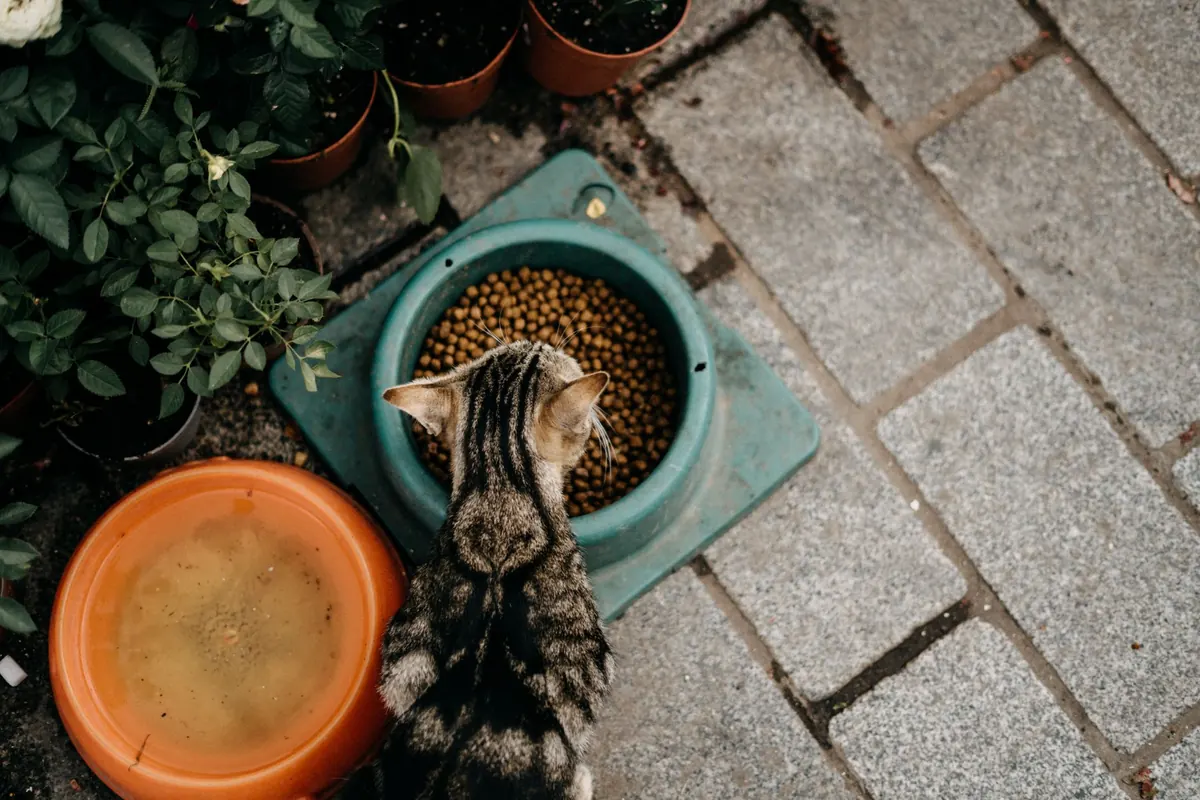
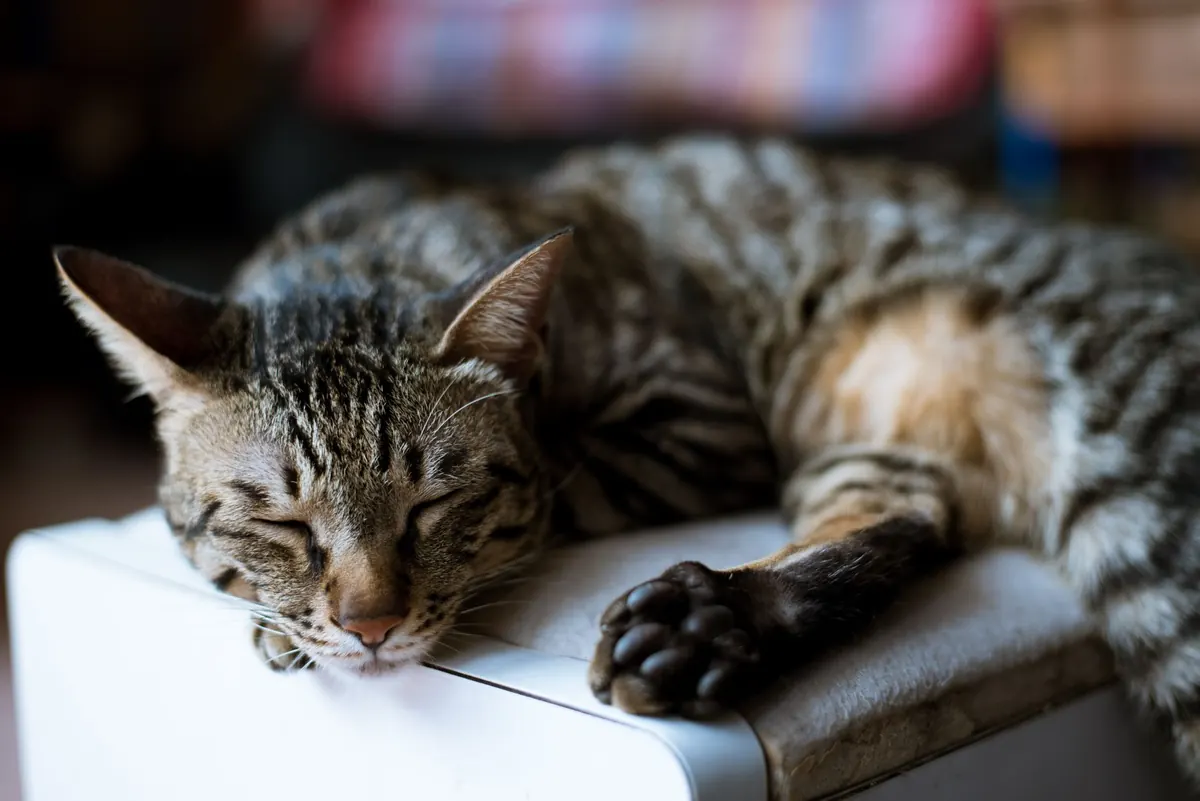

Switching cat food sounds like the easiest chore on the list: finish the old bag, open the new one, fill the bowl. Cats rarely cooperate with that plan. Their digestive systems are built around routine, and a sudden change can bring vomiting, loose stools, gas, a cat who sniffs dinner and walks away for two days. The good news is that almost all of this is preventable with a measuring cup and a little patience.
Why a rushed switch causes trouble
A cat's gut is home to a bacterial population that has adapted to whatever they've been eating. Change the food overnight and that population has to reorganize, which often shows up as soft stool or an upset stomach. Cats are also naturally suspicious of anything unfamiliar, a leftover survival instinct that makes a new smell or texture feel like a warning rather than a meal.
What you're switching matters too. Moving from one chicken-based kibble to another chicken-based kibble is usually mild. Moving from chicken to fish, from dry to wet, or from a grocery brand to a higher-protein formula is a bigger adjustment. If you're changing more than one thing at once, expect the process to take longer.
Before you open the new bag
Do a little prep work first.
- Keep at least a week of the old food on hand. Running out mid-transition forces a cold-turkey switch, which is exactly what you're trying to avoid.
- Buy the smallest bag or a few single cans until you know your cat will eat it. Nothing stings like a twenty-pound bag of rejected kibble.
- Note your baseline. For a few days, pay attention to stool firmness, appetite, energy, and how often the litter box gets used. You need a reference point to judge whether the new food is working.
- Check with your vet if your cat has a diagnosed condition. Cats with kidney disease, diabetes, urinary issues, or known food allergies often need a specific diet, and the right transition plan may look different. Prescription diets should always be changed under veterinary guidance.
The gradual transition plan
The standard approach is a seven- to ten-day ramp. You're not just getting your cat used to the taste, you're giving the gut time to adjust. Mix the two foods thoroughly so your cat can't pick out the pieces they like and leave the rest.
A sample ten-day schedule
- Days 1–3: 75% old food, 25% new food.
- Days 4–5: 50% old, 50% new.
- Days 6–8: 25% old, 75% new.
- Days 9–10: 100% new food.
These are guidelines, not rules. If your cat has a sensitive stomach, stretch each stage to three or four days. If they sail through with no issues, you can move a little faster. Slow is always safer than fast here.
A few practical details: keep feeding at the same times in the same bowl in the same spot, and don't use the transition as an excuse to change anything else. This isn't the week to introduce a new treat, a new water fountain, or a new feeding schedule.
If your cat refuses the new food
Some cats treat a 25% addition like an insult. If yours is one of them, try these:
- Warm wet food slightly. A few seconds in the microwave, stirred and tested with your finger, brings out the aroma.
- Back up a step. Go to 90% old, 10% new and hold there for several days.
- Offer the new food when your cat is hungriest, usually the first meal of the day.
- Don't leave wet food out for hours hoping they'll cave. Pick it up after twenty to thirty minutes and offer it again at the next meal.
- Skip the temptation to sprinkle something unhealthy on top. A tiny bit of the old food as a topper is fine; lunch meat, cheese, and tuna juice can create a new problem.
One firm warning: cats should not go more than about a day without eating. Unlike dogs, a cat that stops eating can develop serious liver problems surprisingly quickly. If your cat refuses food for more than twenty-four hours, call your vet rather than waiting it out.
What's normal and what isn't
Some mild digestive noise during a transition is expected. A little soft stool that firms up within a day or two, occasional gas, or one instance of vomiting after a new food are usually not emergencies. What you shouldn't shrug off:
- Diarrhea lasting more than a day, or any diarrhea with blood or black coloring
- Repeated vomiting, especially several times in a few hours
- Refusing food for a full day or more
- Lethargy, hiding, or obvious discomfort when you touch the belly
- Scratching, swollen lips, or facial swelling after eating, which can signal an allergic reaction
Any of those warrant a call to your veterinarian. When in doubt, ask. A phone call is cheaper and less stressful than a weekend emergency visit.
Wet food, dry food, and mixed feeding
Texture changes can be as disruptive as ingredient changes. If you're moving from dry to wet, or the reverse, take the full ten days or longer and consider adding a little warm water to the new food to soften the transition. Cats who've eaten only kibble for years sometimes need to be coaxed into recognizing wet food as food at all.
If you're changing both protein and texture, do them in sequence rather than at the same time. Get settled on the new texture first, then work on the ingredients. That way, if something goes wrong, you know what caused it.
Keeping the switch on track
Write down what you're feeding each day, even if it's just a note on your phone. When you're three days in and wondering whether the stool looks different from Tuesday, a quick log settles it. Keep the old food for a week after you've hit 100% new, in case you need to back up.
And pick your timing. Moving houses, a new baby, houseguests, or a vet visit are all bad weeks for a food change. Your cat is already handling enough. Wait for a calm stretch, then take it one scoop at a time.
Photo: itsmeseher / Pexels