



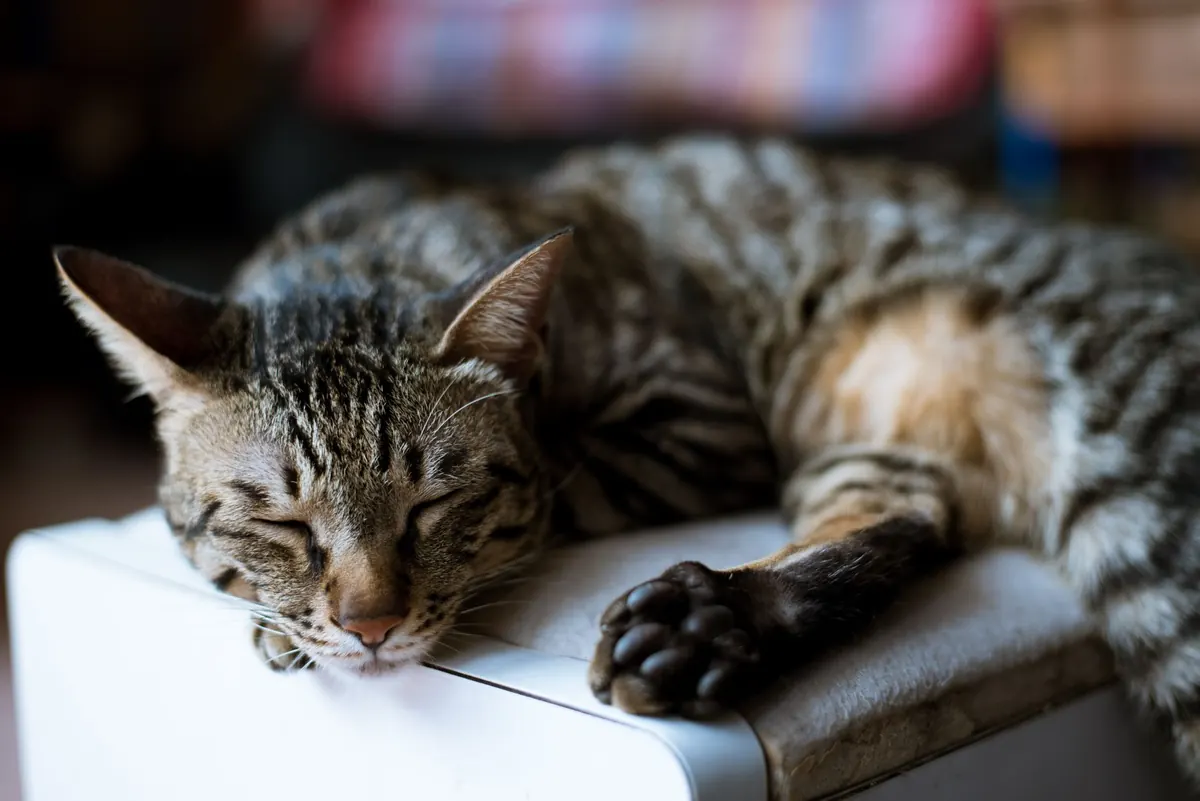

An automatic litter box is one of the few cat gadgets that can genuinely change your day: no scooping twice daily, less tracking, and a better-smelling apartment. It's also easy to waste money on. Cats are opinionated about where they pee, and a machine that cycles at the wrong moment or feels cramped will send yours straight back to the bathtub. What separates the good ones comes down to three things — how they handle waste, how they protect your cat, and whether your cat tolerates the thing.
Here's what to look at before you buy.
How self-cleaning boxes actually work
Nearly every model on the market uses one of three designs.
- Rotating drum. The cat leaves, a timer counts down, and the globe spins to sift clumps into a sealed drawer below. Litter-Robot is the best-known example, with similar drum designs from Leo's Loo Too and Petkit. Quiet, roomy for big cats, and generally the easiest to keep clean — but bulky, heavy, and the most expensive to repair.
- Rake and conveyor. A rake drags clumps across the tray, often into a disposable cartridge. PetSafe's ScoopFree line is the long-running version of this. Cheaper up front and low-profile, but the rake jams on soft clumps, and replacement cartridges add up month after month.
- Wash-and-drain. These use reusable granules, wash them after each use, and send waste to a drain or toilet line. CatGenie is the main name here. Nothing to bag and no drawer to empty, but installation is real plumbing work and the unit needs water plus power where you keep it.
All three rely on the same electronics: a weight sensor under the base, an entry sensor, and a delay timer that waits after the cat leaves. Those parts are the difference between a helpful appliance and a stressful one.
Safety features worth paying for
Prioritize a box that stops and reverses when it senses a cat inside — then test it in person, not just on the spec sheet. Other details matter too:
- Detection that resets the cycle. If your cat hops back in mid-cycle, the drum should stop and return to its home position.
- A real delay setting. Fifteen minutes after the last visit is safer than five for cats who like to re-enter and inspect their work.
- Anti-pinch protection. A good motor stalls against an obstruction instead of pushing through it.
- A stated minimum weight. Most makers list one, and kittens below it are not safe in an automatic box.
- A manual lockout. You want an easy way to switch the motor off during the first weeks, or after a power flicker.
Keep a plain uncovered box available no matter what you buy. Seniors, kittens, and cats recovering from surgery all need that option. And if your cat's litter habits change — more trips, straining, accidents outside the box — that's a veterinary question, not a gear question. A self-cleaning box can actually help here, since many track weight and visits over time, but it never replaces a vet's opinion.
What to check before you buy
- Entry height and interior size. Measure your cat nose to tail and check the opening. Large breeds and cats who stand to urinate need a bigger globe and a low step.
- Litter compatibility. Crystal litter, clumping clay, and granules each suit different designs. Buying the wrong type causes jams and odor.
- Waste capacity. One cat can go a week in a decent drawer. Three cats will fill it in two days, which defeats the purpose.
- Noise. A quiet cycle matters if the box sits near a bedroom or a nervous cat.
- App and connectivity. Useful for tracking, unnecessary if you're home. Wi-Fi models also tend to cost more and age faster.
- Your cleaning routine. You still wipe the interior, change the drawer liner, and deep clean monthly. Ask how awkward that is.
- Warranty, parts, and returns. Buy somewhere with a generous return window. Motors and sensors fail, and you want support that answers.
- Placement. Leave space around it, away from food and water, and never wedge it into a cabinet the cat can't turn around in.
Getting your cat to accept it
Cat acceptance is the single biggest reason these boxes get returned, and it's mostly about patience. Set the new unit up unplugged, next to the old box, and let it sit for a few days. Add a scoop of used litter so it smells familiar. Once your cat is using it, plug it in but cycle it manually only when your cat is elsewhere in the house — watching a strange machine move can spook a cautious cat.
Then let them observe a cycle from a distance, with treats nearby. Keep the old box exactly where it was and only remove it after a solid two weeks of consistent use in the new one. Never take away the old box on day one. Cats who are arthritic, very shy, or older than about twelve often never come around, and that's fine — a large manual box with a good scoop is a perfectly respectable setup.
What it really costs
The purchase price is only part of it. Cartridge-based models lock you into buying trays; drum models need liners and occasional replacement parts; wash-and-drain units use less litter but need plumbing and electricity. Before buying, add up a year of consumables and compare it to a plain box plus litter. If the total feels like a stretch, a quality manual box and a sealed waste bin get you most of the benefit for a fraction of the money. Check current prices and warranty terms directly with the retailer, since these change often.
Mistakes that lead to regret
The same problems come up again and again. Buying a mid-size unit for a multi-cat home and emptying the drawer every other day. Tucking it into a corner so your cat has to squeeze in. Skipping the acclimation period, then blaming the machine. Assuming "automatic" means "never touch it again." And buying without checking the return policy, which is the one thing that makes an expensive gamble safe.
How to decide in ten minutes
Count your cats, measure your biggest one, and decide which litter you're willing to keep buying. If you have one cat and a spare corner, a drum model with solid sensors and a long warranty is the safest bet. If you want to spend less and don't mind cartridges, a rake-style box works well for a single tidy cat. If you hate buying litter and have a drain nearby, a wash-and-drain unit earns its install cost.
Whichever you choose, buy from a seller with easy returns, keep the old box in place during the switch, and give it a month before you judge. The best automatic litter box isn't the one with the most features — it's the one your cat walks into without hesitation.
Photo: Abby Chung / Pexels